Node.js is a powerful JavaScript runtime built on Chrome’s V8 JavaScript engine. It allows developers to run JavaScript on the server-side, enabling efficient and scalable backend development.
Node.js has revolutionized backend programming by unifying web application development under a single programming language, JavaScript. Its non-blocking I/O model enhances performance and scalability, making it ideal for real-time applications.
What Is Node.js?
Applications of Node.js span across various domains, primarily focusing on its ability to handle asynchronous operations efficiently. It is widely used in developing web servers that require real-time communication, such as chat applications and streaming services. Node also powers backend services for mobile applications, ensuring fast and scalable data processing. Its versatility extends to IoT (Internet of Things) applications, where it facilitates device communication and data synchronization. Additionally, is favored for building APIs due to its lightweight architecture and support for JavaScript, enabling seamless integration with frontend frameworks.
Applications of Node.js
1. Web Servers and Microservices
Node.js is exceptionally well-suited for creating fast and scalable web servers. Its event-driven architecture and non-blocking I/O operations allow handling multiple concurrent connections efficiently. This makes it ideal for applications where real-time data exchange and responsiveness are crucial, such as:
- API Servers: Is commonly used to build RESTful APIs (Application Programming Interfaces) that interact with client-side applications or other services.
- Microservices Architecture: Node facilitates the development of microservices, allowing different components of an application to operate independently and communicate through lightweight APIs.
2. Real-time Applications
Node.js excels in applications requiring real-time communication and data processing. Its ability to handle asynchronous I/O operations makes it suitable for:
- Chat Applications: Powers chat applications by enabling bi-directional communication between clients and servers using technologies like WebSockets.
- Online Gaming Platforms: Node.js supports real-time multiplayer gaming features, where instant data exchange and low-latency communication are critical.
Benefits of Node.js
1. Performance
Node.js is renowned for its exceptional performance, especially in handling I/O-bound operations. The event-driven, non-blocking I/O model allows Node to process multiple requests simultaneously without getting blocked by I/O operations. This efficiency is crucial for applications requiring real-time data processing and handling large numbers of concurrent connections.
2. Scalability
Scalability is another strong suit of Node.js. Its architecture allows applications to scale horizontally by adding more nodes to the existing system. This scalability is essential for applications experiencing growth in user base or traffic. Additionally, applications can easily handle thousands of concurrent connections efficiently, making it suitable for building scalable network applications.
3. JavaScript Everywhere
Node.js enables full-stack JavaScript development, allowing developers to use JavaScript both on the client-side and server-side. This unification of web application development under a single programming language streamlines development processes, reduces context-switching for developers, and promotes code reuse between front-end and back-end components.
4. Rich Ecosystem of Packages
Node.js has a vast ecosystem of open-source libraries and packages available through npm (Node Package Manager). These packages cover a wide range of functionalities, from web frameworks like Express.js to utility libraries, database drivers, and middleware. Leveraging npm packages accelerates development time and ensures robustness by utilizing well-tested solutions.
Setting Up Node.js Environment
1. Installation Process
- Downloading: Guides users through downloading from the official website or package manager.
- Installing on Different Operating Systems: Provides step-by-step instructions for installing Node.js on Windows, macOS, and Linux distributions.
2. Version Management
- Using nvm (Node Version Manager): Explains how to manage different Node.js versions using nvm, enabling developers to switch between versions seamlessly.
- Updating Node.js: Guides users on updating to the latest stable version.
3. Setting Up Development Environment
- IDE Recommendations: Suggests IDEs (Integrated Development Environments) such as Visual Studio Code with extensions for Node.js development.
- Configuration: Covers configuring IDE settings for Node.js projects, including debugging setup.
Building a RESTful API with Node.js
1. Introduction to RESTful APIs
- Understanding REST Principles: Explains the basics of REST architecture and its principles for designing APIs.
2. Creating a Node.js Project
- Initializing Project: Guides users through creating a new Node.js project using npm (Node Package Manager).
- Installing Dependencies: Shows how to install necessary dependencies like Express.js, a popular web framework for Node.js.
3. Developing CRUD Operations
- Setting Up Routes: Defines routes for handling Create, Read, Update, and Delete (CRUD) operations using Express.js.
- Connecting to Database: Integrates MongoDB or another database system with Node.js using Mongoose or native drivers.
- Implementing CRUD Functionality: Provides code examples and explanations for implementing CRUD operations within API endpoints.
4. Authentication and Authorization
- Implementing Authentication Middleware: Guides users on implementing JWT (JSON Web Token) based authentication middleware to secure API endpoints.
- Handling User Sessions: Explains session management techniques for authenticated users.
5. Error Handling and Validation
- Error Handling Middleware: Shows how to create custom error handling middleware to centralize error management in the API.
- Data Validation: Covers input validation techniques using libraries like Joi to ensure data integrity.
6. Testing and Debugging
- Unit Testing: Introduces unit testing frameworks such as Jest or Mocha for testing applications.
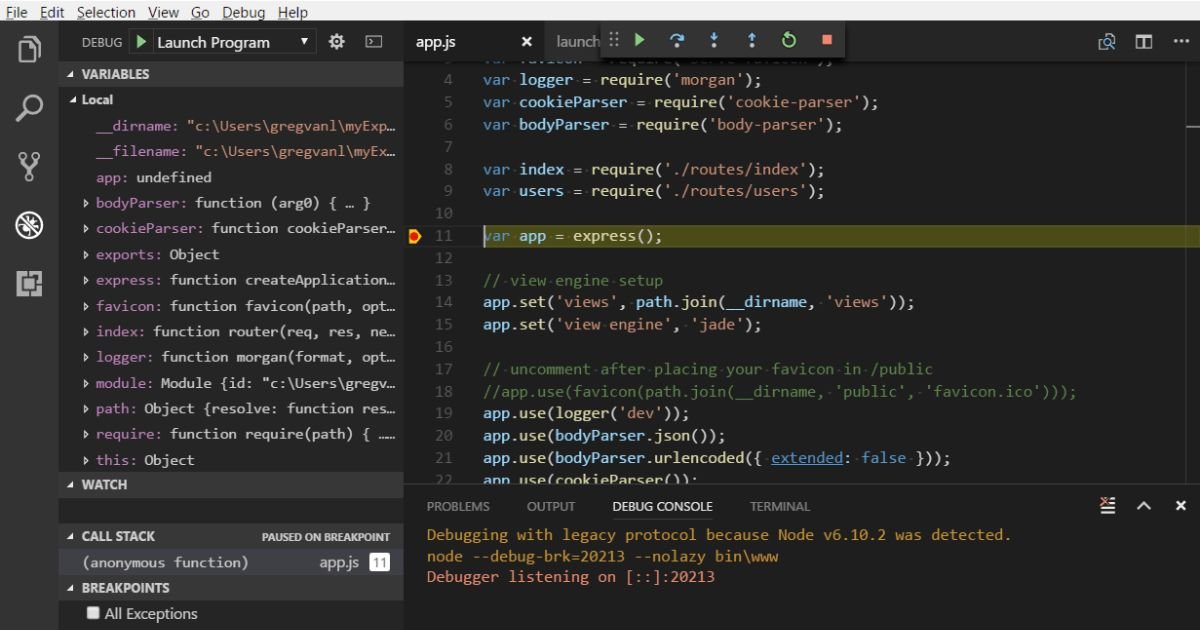
- Debugging Techniques: Demonstrates debugging applications using IDE tools and console logging.
7. Deployment Strategies
- Deployment to Cloud Platforms: Guides users on deploying Node.js applications to platforms like AWS (Amazon Web Services), Azure, or Heroku.
- Setting Environment Variables: Explains best practices for managing environment variables in production environments.
Conclusion
User guides and tutorials for Node.js provide developers with comprehensive resources to navigate setting up development environments, building robust APIs, and deploying applications. By following these guides, developers can leverage capabilities effectively in their projects, ensuring scalability, performance, and maintainability.